

If you want your yard to emerge vibrant, healthy, and ready to thrive when spring arrives, proactive seasonal maintenance is essential. Implementing a strategic fall landscape cleanup and winterization plan protects your outdoor investments and secures the long-term longevity of your plants, trees, and infrastructure.
| Landscape Task | What To Do & Key Methods | Best Timing | Why It Matter for Plant Health |
|---|---|---|---|
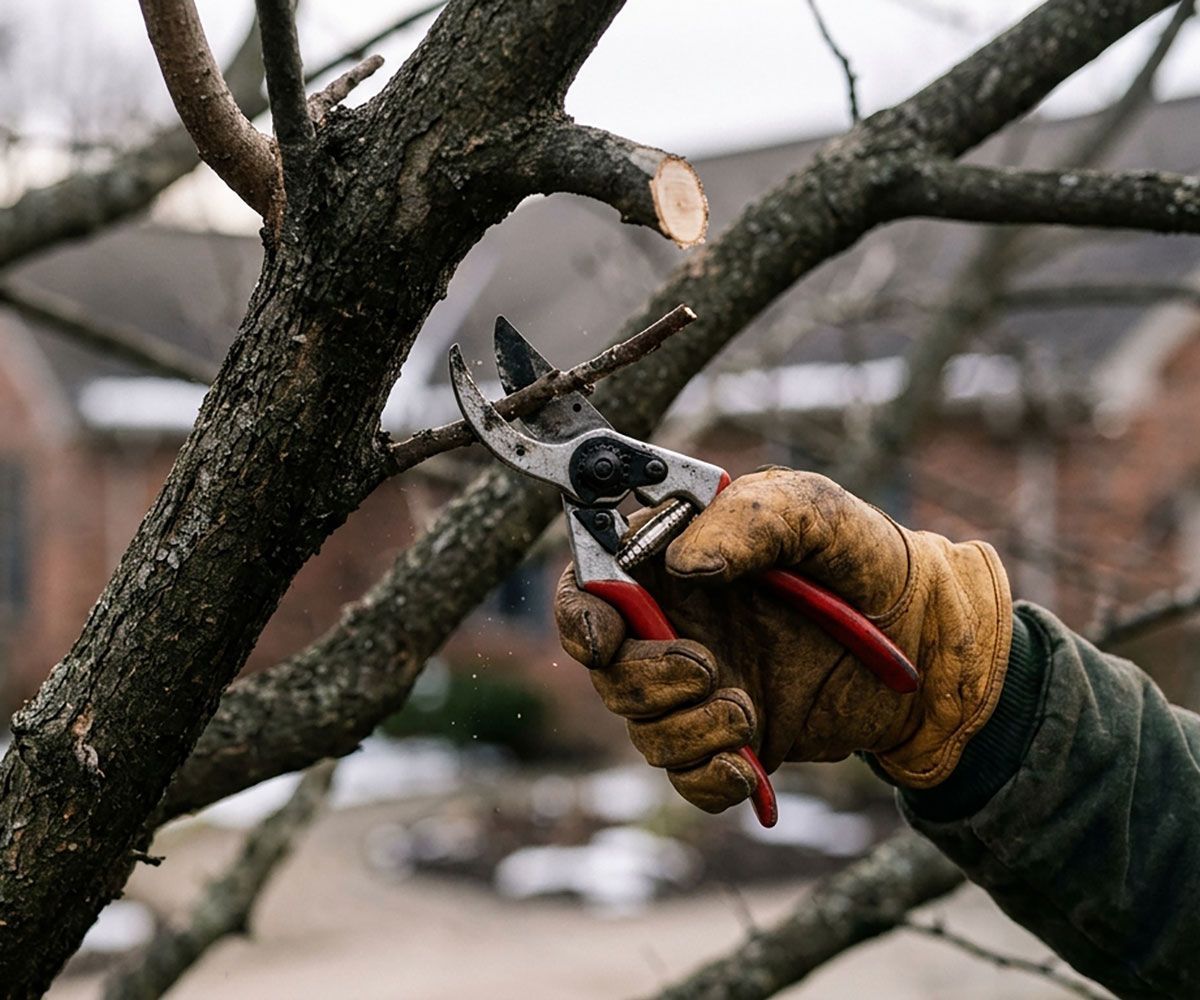
| Pruning & Clean-Up | Pull annuals after first frost. • Cut back herbaceous perennials to 3–4 inches. • Leave ornamental grasses for winter insulation. • Restrict woody plant pruning to dead/damaged wood. | Late fall (after plants go dormant) | Prevents overwintering pests and diseases while leaving protective structural cover for crown roots and pollinators. |
| Mulching | Apply a 3-to-4-inch layer of organic mulch around beds, trees, and shrubs (keeping it pulled away from direct trunks). | Mid-to-late fall (before deep ground freeze) | Insulates roots against extreme freeze-thaw cycles (frost heaving), locks in moisture, and improves soil structure. |
| Plant & Tree Protection | Give evergreens and shrubs a deep fall soaking • Wrap sensitive shrubs in breathable burlap | Late fall (before freezing temperatures set in) | Prevents winter drought and browning in evergreens, protects against heavy snow loads, and stops rodents from chewing bark. |
| Irrigation Winterization | Shut off water supply and use compressed air (blowout method) to completely clear all lines, valves, and backflow preventers. | Late autumn (before the first sustained hard freeze) | Prevents trapped water from freezing and expanding, avoiding cracked pipes and costly spring plumbing repairs. |
Smart Pruning: What Plants to Remove, Cut Back, or Leave Alone
Plants to Remove or Cut Back
- Dead Annuals: Once a hard frost hits, annual flowers and spent summer vegetable beds should be pulled up and composted. Be sure to pull out spent annuals entirely, including their root systems. Leaving dead vegetation in flower beds creates breeding grounds for fungal spores and overwintering garden pests.
- Prune Perennials Wisely: Cut back most herbaceous perennials (like hostas and daylilies) down to about 3 to 4 inches above the ground after the first hard frost and dormancy sets in. Once frost hits hostas, their leaves turn to mush and create a messy harbor for slugs.
- Limit Woody Plant Pruning: Save major structural pruning for late winter or early spring when trees and shrubs are fully dormant. In autumn, restrict your pruning to only removing dead, diseased, or damaged branches that pose a hazard.
Plants to Leave Standing
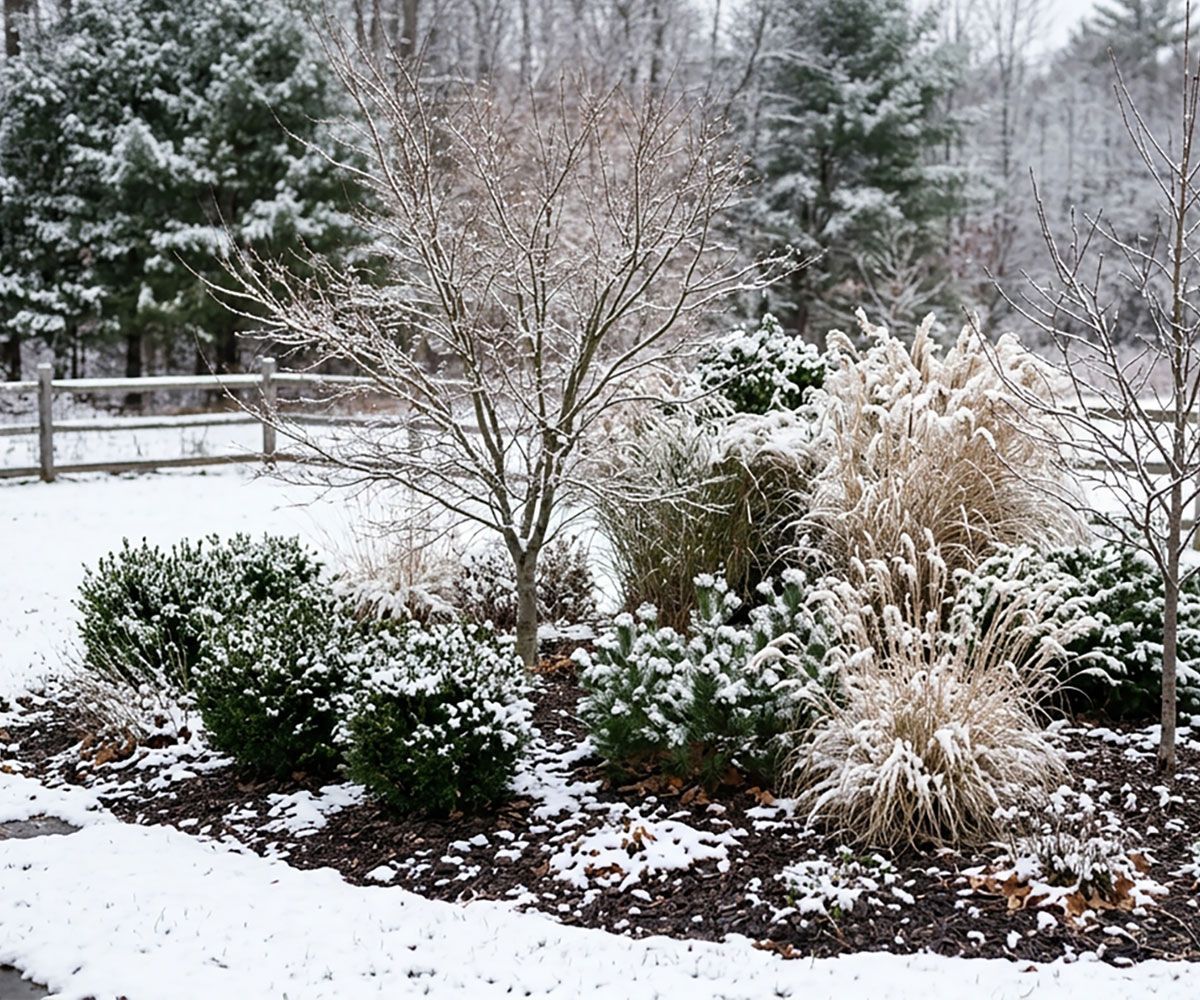
- Ornamental Grasses: Keep ornamental grasses intact until late winter or early spring. Their dried stalks provide natural snow and ice insulation for their crown roots that protect the plant's core from excess winter moisture and freezing, while adding visual texture to your winter landscape and food for local wildlife and pollinators.
- Seed-Bearing Perennials: Leave plants like Coneflowers (Echinacea), Black-Eyed Susans, and Sedum standing. Their dried seed heads serve as a critical winter food source for native songbirds.
- Spring-Blooming Shrubs & Old-Wood Hydrangeas: Avoid fall pruning on lilacs, rhododendrons, azaleas, and mophead/oakleaf hydrangeas. Pruning these plants in autumn cuts off next year's flower buds.
How to Apply Winter Mulch
- Timing: Wait until after the first hard frost when the ground has begun to cool down naturally.
- Depth: Apply a 2- to 4-inch layer of organic shredded hardwood mulch or leaf mulch over perennial beds, and up to 4 inches around young trees and shrubs.
- The Donut Rule: Keep mulch 3 to 4 inches away from tree trunks and shrub stems. Piling mulch against bark (often called "mulch volcanoes") traps moisture against the stem, causing bark decay and attracting destructive rodents like voles during cold months.
Protecting Vulnerable Plants, Trees, and Shrubs
- Deep Fall Watering: Before the ground freezes solid, give your trees, shrubs, and evergreens a deep, thorough soaking. Evergreens continue to lose moisture through their needles all winter long. If they enter the winter months drought-stressed, they will suffer severe winter burn and browning by March.
- Using Burlap Screens and Tents: Wrap sensitive broadleaf evergreens (like boxwoods or newly planted specimens) in breathable burlap to shield them from drying winter winds, heavy snow falling off roofs, and salt damage. Building a simple wooden stake "tent" frame keeps the fabric off the foliage to promote healthy air circulation.
- Trunk Guards: Protect young trees from hungry rabbits and voles looking for bark to chew during lean winter months by wrapping lower trunks with hardware cloth or plastic tree guards.
Why and How to Winterize Irrigation Systems
If you have an automated lawn sprinkler system, skipping winterization is a gamble you cannot afford. Water expands by roughly 9% when it freezes, meaning any trapped moisture left inside pipes, valves, or backflow preventers will crack components and lead to catastrophic, expensive spring plumbing failures.
The Blowout Method: Because of freezing regional temperatures, the safest and most effective way to clear an irrigation system is using compressed air.
- Shut off the main water supply valve to the irrigation system indoors or in a protected valve box.
- Turn off the automated timer or switch it to rain mode so it won't attempt to run dry cycles.
- Connect an air compressor to the system’s blowout port and systematically force compressed air through each individual zone until all standing water is evacuated through the sprinkler heads. (Note: Because high pressure can damage lines if mismanaged - typically kept around 50 PSI for PVC or 30 PSI for polyethylene - this is often best handled by a professional landscape contractor.)
- Drain and insulate backflow preventers and outdoor valves to protect them from cracking.
- Insulate exposed components by wrapping outdoor main lines, backflow preventers, and shutoff valves above the frost line with insulating foam tape or protective thermal covers.
Neglecting fall landscape preparation leads to a cascade of negative effects: root dehydration, frost heaving, structural branch collapse under heavy snow, plant diseases, and broken utility infrastructure.
By taking proactive steps to clean, insulate, protect, and drain your property before the first deep freeze, you safeguard your financial investment and ensure your landscape bounces back with maximum vigor, health, and curb appeal the moment spring returns.